JSON Editor
View, edit, and validate JSON in a clear, visual way, checking it is valid as you go. No signup. Ideal for editing JSON data and ensuring it is correct.
Result
Share on Social Media:
This JSON editor lets you view, edit, and validate JSON in a clear, visual way, directly in your browser. Paste your JSON, edit it, and check it is valid. No account, no install, so you can edit JSON data and ensure it is correct on any device in seconds.
How to Edit JSON Step by Step
- Paste your JSON. Drop the JSON you want to edit into the editor, or start with new JSON you want to create.
- View it clearly. The editor shows the JSON in a clear, structured way, making it easy to see and work with the data.
- Edit the JSON. Edit the JSON as needed, changing values, adding or removing data, in the clear editing view.
- Validate it is correct. The editor validates the JSON, checking it is valid, so you can catch and fix errors as you edit.
- Use the edited JSON. Copy and use your edited, valid JSON, having made your changes and confirmed it is correct.
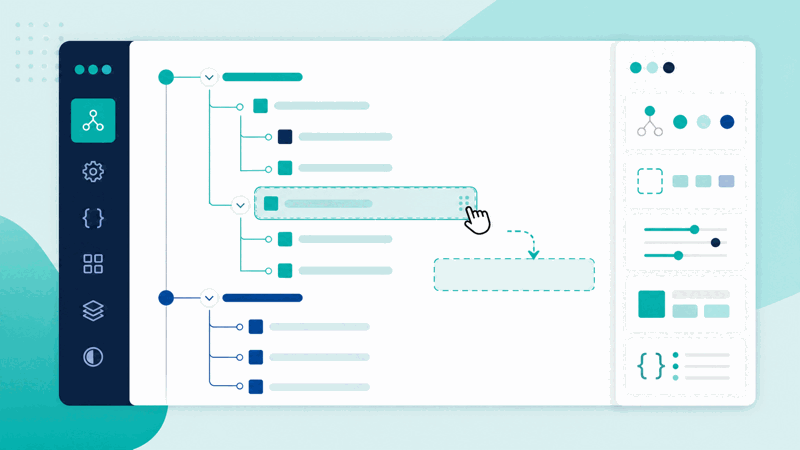
What a JSON Editor Does
JSON represents structured data using keys, values, and nesting, widely used for data and configuration. A JSON editor lets you view, edit, and validate JSON in a clear, visual way, making it easier to work with than editing raw JSON in a plain text field. It shows the data clearly, lets you make changes, and checks that the JSON is valid.
The value of a JSON editor is easier, safer editing. Editing JSON requires keeping the syntax correct, since invalid JSON does not work, and it is easy to make mistakes like a missing bracket or comma in raw text. An editor that shows the JSON clearly and validates it helps you edit accurately, seeing the structure and catching errors, so your edited JSON is correct.
Editing visually or with validation differs from editing raw JSON in a plain field. Raw editing offers no help with structure or errors, so mistakes are easy and hard to spot. A JSON editor provides a clear view and validation, making the structure visible and flagging invalid JSON, so you can edit with confidence that the result is valid, rather than risking errors in raw editing.
JSON editors are used by developers and anyone working with JSON who needs to edit it: changing values, adding or removing data, creating JSON, or fixing JSON, while ensuring it stays valid. Because editing JSON accurately matters and mistakes are easy in raw text, an editor that shows the data clearly and validates it is a genuinely useful tool for editing JSON correctly and confidently.
Editing Visually Versus Editing Raw
| Aspect | JSON editor | Raw text editing |
|---|---|---|
| View | Clear, structured | Plain text |
| Validation | Checks it is valid | No help |
| Errors | Flagged | Easy to miss |
| Best for | Editing accurately | Basic, error prone |
Who Uses a JSON Editor
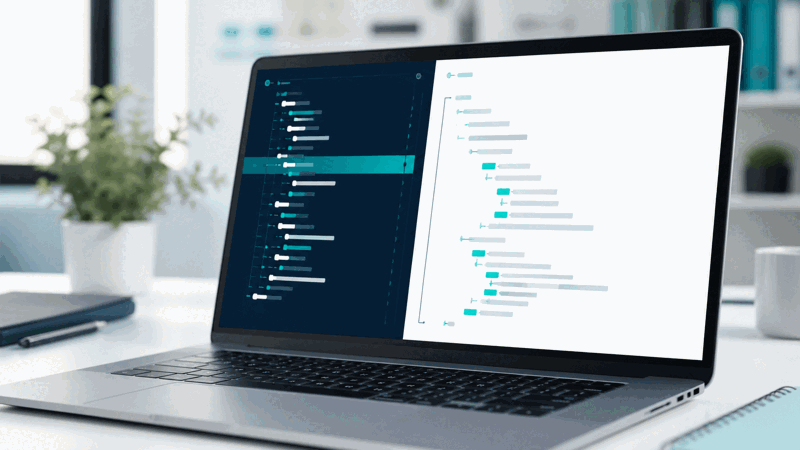
Pro Tips for Editing JSON
Common JSON Editing Mistakes to Avoid
Related Tools You May Need Next
For working with JSON, our JSON Viewer displays JSON clearly, the JSON to XML and XML to JSON tools convert formats.

Frequently Asked Questions
How do I edit JSON?
Paste the JSON you want to edit into the editor, or start with new JSON you want to create, and the editor shows it in a clear, structured way, making it easy to see and work with the data. Edit the JSON as needed, changing values, adding or removing data, in the clear editing view, and the editor validates the JSON, checking it is valid so you can catch and fix errors as you edit. Then copy and use your edited, valid JSON, having made your changes and confirmed it is correct. This lets you edit JSON clearly and accurately, with validation ensuring the result is valid, which is easier and safer than editing raw JSON in a plain text field where mistakes are easy to make and miss.
What does a JSON editor do?
A JSON editor lets you view, edit, and validate JSON in a clear, visual way, making it easier to work with than editing raw JSON in a plain text field. It shows the JSON's data clearly and in a structured way, so you can see and work with it easily; lets you make changes, editing values, adding or removing data; and validates the JSON, checking it is valid so you can catch errors. So a JSON editor helps you edit JSON accurately and safely, seeing the structure clearly and ensuring the result is valid. This is valuable because editing JSON requires correct syntax, and mistakes are easy in raw text, so an editor that shows the data clearly and validates it makes editing JSON much easier and more reliable.
Why edit JSON in an editor rather than raw?
Editing JSON in an editor rather than raw text is easier and safer because the editor provides a clear view and validation, while raw editing offers no help with structure or errors. Editing JSON requires keeping the syntax correct, since invalid JSON does not work, and in raw text it is easy to make mistakes like a missing bracket or comma, which are hard to spot. An editor shows the JSON clearly, making the structure visible, and validates it, flagging invalid JSON, so you can edit accurately and catch errors. So you edit with confidence that the result is valid, rather than risking unnoticed errors in raw editing. So a JSON editor makes editing JSON more reliable and less error prone than editing raw JSON in a plain field, which is why it is the better approach for editing JSON accurately.
What does validating JSON mean?
Validating JSON means checking that the JSON is valid, meaning it follows the correct JSON syntax and structure so that it will work. Invalid JSON, with errors like a missing bracket, comma, or quote, does not work, so validation checks for such errors. A JSON editor validates your JSON as you edit, flagging any invalid JSON, so you can see if there is an error and fix it. So validation helps you ensure your JSON is correct before using it. This is important because using invalid JSON leads to problems, as it will not be parsed or used correctly. So the editor's validation lets you catch and fix errors, confirming your JSON is valid, which is a key benefit of editing in an editor: you can be confident the edited JSON is correct rather than discovering an error only when it fails to work.
Can I create new JSON in the editor?
Yes, you can create new JSON in the editor, not just edit existing JSON. The editor's clear view and validation help you build new JSON correctly, showing the structure as you create it and validating it to catch errors, so your new JSON is valid from the start. So if you need to create JSON, the editor is a helpful place to do it, letting you construct the data clearly and confirming it is valid as you go. This is easier than writing JSON raw in a plain field, where syntax mistakes are easy to make. So whether editing existing JSON or creating new JSON, the editor supports both, giving you a clear, structured way to build and edit JSON with validation ensuring correctness, so you end up with valid JSON whether you are modifying existing data or creating it fresh.
Should I validate before using edited JSON?
Yes, you should validate before using edited JSON, confirming it is valid with the editor's validation, so you do not use invalid JSON that will not work. Editing can introduce errors, such as a missing bracket or comma, which make the JSON invalid, and using such JSON leads to problems. The editor validates the JSON, flagging errors, so you can fix them and confirm the JSON is correct before using it. So make validation part of your process: after editing, ensure the editor shows the JSON is valid, addressing any flagged errors, before you copy and use it. This ensures the JSON you use is correct and will work, catching mistakes that could otherwise cause problems. So validating before using your edited JSON is an important step that the editor supports, giving you confidence the result is valid.
Should I back up important JSON before editing?
Yes, if you are editing important JSON, it is wise to keep a backup of the original before making changes, so you can revert if your edits go wrong or you need the original again. While the editor helps you edit accurately and validate the result, keeping a backup protects the original important data against mistakes or unwanted changes. So before editing important JSON, save a copy of the original, then make your edits in the editor, using its clear view and validation to edit safely and confirm the result is valid. If something goes wrong, you can revert to the backup. So backing up important JSON before editing is a sensible precaution, letting you edit confidently with the editor while retaining the original as a fallback, ensuring you do not lose important data through an editing mistake.
Is the JSON editor free?
Yes, it is completely free with no account and no usage limit. You can edit and validate as much JSON as you like, as often as you like, at no cost. It runs entirely in your browser on any device, so your JSON is processed locally and there is nothing to download or install, and you can view, edit, and validate your JSON in the clear editor. Use it to edit JSON data accurately, create new JSON, and fix invalid JSON, with the clear view and validation helping you edit correctly and ensure the result is valid. Remember to pay attention to validation, validate before using your edited JSON, and back up important JSON before editing, so you edit safely and end up with valid, correct JSON.