JSON Viewer
View JSON in a clear, readable, structured layout to explore and understand the data. No signup. Ideal for reading messy or minified JSON and exploring its structure.
Result
Share on Social Media:
This JSON viewer formats JSON into a clear, readable, structured view, directly in your browser. Paste your JSON and explore it easily. No account, no install, so you can read and understand JSON data on any device in seconds.
How to View JSON Step by Step
- Paste your JSON. Drop your JSON into the input. It can be messy, minified, or hard to read JSON that you want to explore.
- View the formatted JSON. The tool formats the JSON into a clear, readable, structured view, laying out the data so you can read it easily.
- Explore the structure. Explore the JSON's structure in the clear view, seeing the keys, values, and nesting laid out understandably.
- Read the data. Read and understand the JSON data in the readable view, following the structure clearly rather than struggling with raw JSON.
- Use what you find. Use what you learn from viewing the JSON, having explored and understood the data in a clear, structured form.
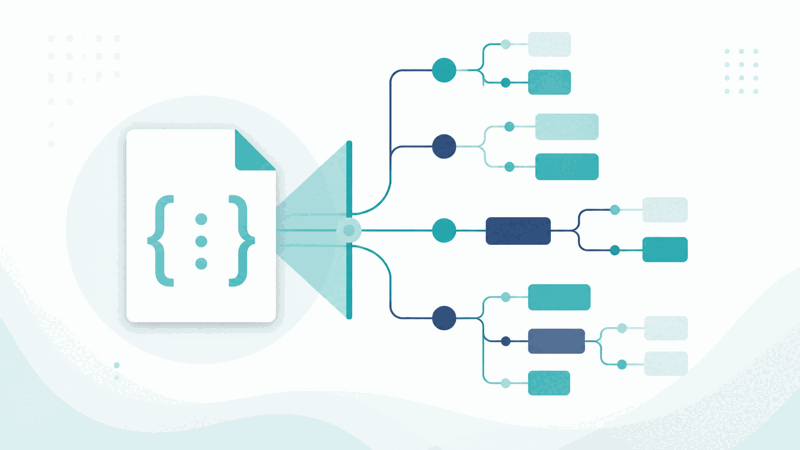
What a JSON Viewer Does and Why It Helps
JSON represents structured data using keys, values, and nesting, widely used for data exchange and configuration. When JSON is messy, minified, or complex, it can be hard to read and understand in its raw form. A JSON viewer formats the JSON into a clear, readable, structured view, laying out the data so you can read it, explore its structure, and understand it easily.
The value of a viewer is readability and exploration. Well formatted, clearly laid out JSON, showing the keys, values, and nesting, is far easier to read and understand than a raw, messy, or minified block. You can see the structure, follow the nesting, and find the data you need. So a viewer turns hard to read JSON into a clear view that makes the data understandable and easy to explore.
This contrasts with reading raw JSON, which, especially when minified or complex, is difficult for people. Minified JSON with whitespace removed is compact but unreadable, and complex nested JSON is hard to follow in raw form. A viewer presents the same data clearly, making it readable, so you can understand and explore the JSON without struggling with its raw representation.
JSON viewers are used by developers and anyone working with JSON who needs to read, explore, or understand it: examining JSON data, checking API responses, understanding structure, or working with configuration. Because a clear, structured view is so much easier than raw JSON, a viewer is a genuinely useful tool whenever you need to read and understand JSON data in a clear, explorable form.
A Viewer Versus Reading Raw JSON
| Aspect | JSON viewer | Raw JSON |
|---|---|---|
| Readability | Clear and structured | Hard to read |
| Structure | Laid out clearly | Obscured if messy |
| Exploration | Easy to explore | Difficult |
| Best for | Reading and understanding | Machine use, storage |
Who Uses a JSON Viewer
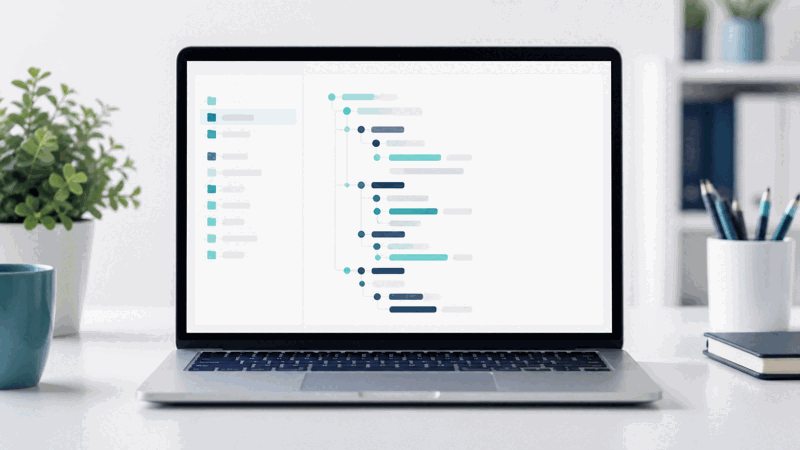
Pro Tips for Working With JSON
Common JSON Viewing Mistakes to Avoid
Related Tools You May Need Next
For working with JSON, our JSON to XML and XML to JSON tools convert between formats, and the XML Formatter formats XML.
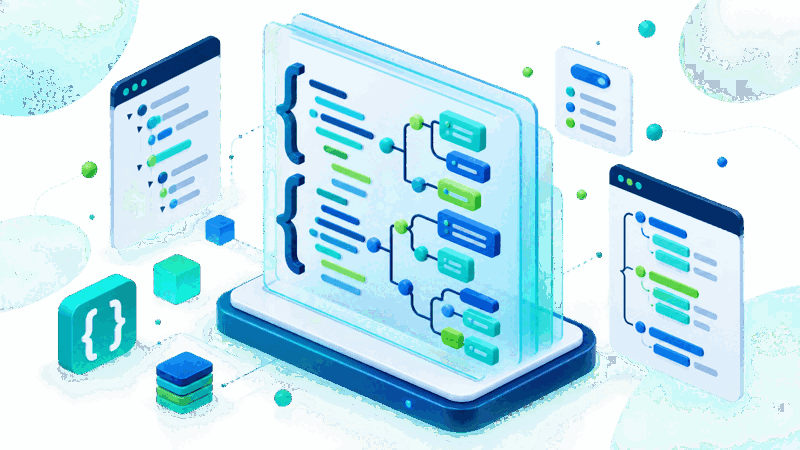
Frequently Asked Questions
How do I view JSON?
Paste your JSON into the input, whether messy, minified, or hard to read, and the tool formats it into a clear, readable, structured view, laying out the data so you can read it easily. Explore the JSON's structure in the clear view, seeing the keys, values, and nesting laid out understandably, read and understand the data following the structure clearly, and use what you learn. This turns hard to read JSON into a clear, explorable view, making the data understandable rather than a struggle. Viewing does not change the data; it presents the same JSON readably, so you can explore and understand it easily, which is far better than trying to read raw, messy, or minified JSON directly.
What does a JSON viewer do?
A JSON viewer formats JSON into a clear, readable, structured view, laying out the data, its keys, values, and nesting, so you can read it, explore its structure, and understand it easily. JSON represents structured data using keys, values, and nesting, and when it is messy, minified, or complex, it can be hard to read in its raw form. The viewer presents the same data clearly and understandably, revealing the structure so you can follow the nesting and find the data you need. So a JSON viewer makes JSON readable and explorable, turning a hard to read block into a clear view, without changing the data, which is valuable whenever you need to understand or explore JSON data.
Why is a JSON viewer helpful?
A JSON viewer is helpful because it makes JSON readable and easy to explore. Well formatted, clearly laid out JSON, showing the keys, values, and nesting, is far easier to read and understand than raw, messy, minified, or complex JSON. With a viewer, you can see the structure, follow the nesting, and find the data you need, which is difficult with raw JSON, especially when it is minified or deeply nested. So a viewer turns hard to read JSON into a clear, structured view that makes the data understandable and explorable. This is genuinely useful for developers and anyone examining JSON, such as API responses or configuration, since understanding the data is much easier in the clear view than trying to read the raw JSON directly.
What is the difference between a viewer and raw JSON?
A JSON viewer presents JSON in a clear, readable, structured layout, showing the keys, values, and nesting understandably, while raw JSON is the unformatted data as it is, which, especially when minified or complex, is hard for people to read. Both represent the same data; the difference is presentation. Raw minified JSON is compact but unreadable, and raw complex JSON is hard to follow, whereas the viewer lays out the same data clearly. So the viewer is for reading and exploring the JSON understandably, while raw JSON is the underlying form used by machines or for storage. You use a viewer to make raw JSON readable and explorable, understanding the data far more easily than in its raw representation, without changing the actual data.
Can I explore complex JSON structure with a viewer?
Yes, exploring complex JSON structure is a key use of a viewer. Complex, deeply nested JSON is hard to follow in raw form, but a viewer lays out the keys, values, and nesting clearly, making the structure understandable. So you can explore how the JSON is organised, follow the nesting, and navigate the data far more easily than in the raw form. This is especially valuable for large or deeply nested JSON, where the clear, structured view helps you see and understand the structure that would be very hard to follow raw. So a JSON viewer is well suited to exploring complex JSON, presenting the structure clearly so you can navigate and understand even intricate, deeply nested data, making it a useful tool for working with complex JSON documents.
Does viewing JSON change the data?
No, a JSON viewer just presents the JSON clearly for reading and exploring; it does not change the data. The view shows exactly the same data as the raw JSON, only laid out readably with the structure clear. So viewing is safe and does not modify the JSON's content; it simply presents the same JSON in a form that is easy for you to read and understand. This means you can view JSON freely to explore and understand it, without worrying that viewing alters the data. The keys, values, and nesting remain the same; only the presentation is made clear and readable. So the viewer is purely for reading and understanding the JSON, showing the same data in a clear, structured view, not for changing it.
Should I view JSON before working with it?
Yes, viewing JSON before working with it is helpful, since reading and understanding raw, messy, or minified JSON directly is difficult. Viewing it first gives you a clear, structured version where the keys, values, and nesting are laid out understandably, making it much easier to see the data and structure you are working with. So when you need to read, explore, or understand JSON, such as an API response or a configuration, viewing it in a clear form first helps you grasp the data before working with it. This is especially useful for complex or large JSON. So it is worth viewing JSON to get a clear, readable, explorable version, making your task easier than trying to work with the raw JSON where the structure and data are hard to follow.
Is the JSON viewer free?
Yes, it is completely free with no account and no usage limit. You can view as much JSON as you like, as often as you like, at no cost. It runs entirely in your browser on any device, so your JSON is processed locally and there is nothing to download or install, and the clear, structured view appears whenever you paste your JSON. Use it to turn messy, minified, or complex JSON into a clear, readable, explorable view, making the data easy to read, explore, and understand, whenever you need to work with JSON in a clear, human readable form rather than struggling with raw JSON.