Image Resizer
Resize an image to the dimensions you need, larger or smaller. No signup. Keep the aspect ratio to avoid distortion, and remember enlarging can reduce quality.
Share on Social Media:
This image resizer changes an image's dimensions to the size you need, directly in your browser, larger or smaller. Provide your image and set the size. No account, no install, so you can resize images on any device in seconds.
How to Resize an Image Step by Step
- Provide your image. Upload the image you want to resize, the picture whose dimensions you want to change.
- Set the new size. Set the new dimensions you want, the width and height, ideally keeping the aspect ratio to avoid distortion.
- Resize the image. The tool resizes the image to your chosen dimensions, making it larger or smaller as set.
- Check the result. Review the resized image to confirm it looks right, since enlarging can reduce quality and stretching distorts.
- Use the resized image. Use the resized image where its new size fits, such as for a specific dimension requirement or smaller file.
What Resizing an Image Does
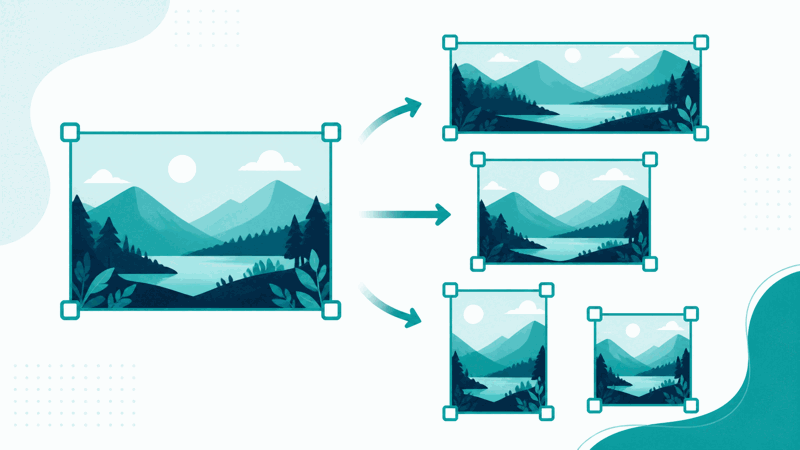
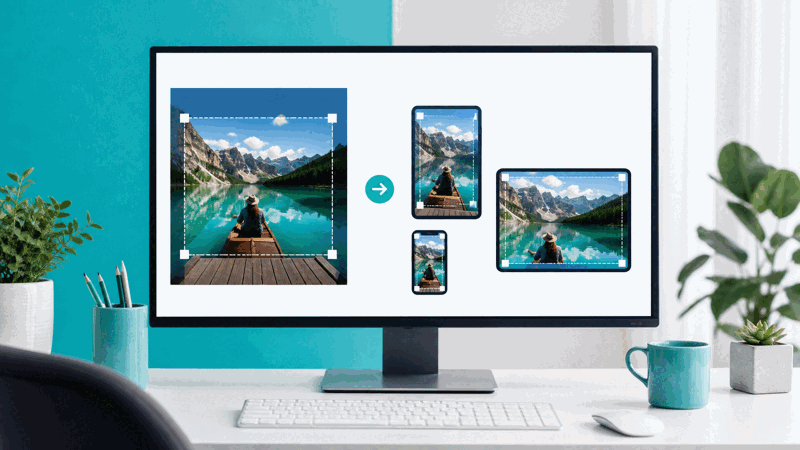
Resizing an image changes its dimensions, its width and height, making it larger or smaller. You might resize an image to fit a specific size requirement, to make it smaller for easier use, or to change its dimensions for a particular purpose. An image resizer does this, letting you set new dimensions and producing the image at that size, so it fits where you need it.
The value is getting an image to the size you need. If an image is too large or small for a use, or needs specific dimensions, resizing adjusts it to fit, rather than being stuck with the original size. So resizing is useful for meeting size requirements, making images smaller for convenience, or fitting images to particular dimensions for your purpose, giving you the image at a workable size.
It matters whether you keep the aspect ratio. Keeping the aspect ratio, the proportion of width to height, resizes the image without distortion, so it looks right just at a different size. Changing the proportions, stretching the image, distorts it, making it look squashed or stretched. So keeping the aspect ratio is usually best, resizing proportionally to avoid distortion, unless you specifically want to change the proportions.
Image resizing is used by anyone who needs an image at a different size: fitting size requirements, making images smaller, or adjusting dimensions for a purpose. Because images often need to be a particular size and a resizer adjusts them easily, it is a practical tool, as long as you keep the aspect ratio to avoid distortion and remember that enlarging an image can reduce its quality.
Keeping Aspect Ratio Versus Stretching
| Aspect | Keep aspect ratio | Stretch |
|---|---|---|
| Proportions | Kept, no distortion | Changed, distorted |
| Look | Right, just resized | Squashed or stretched |
| Usually | Best | Avoid unless intended |
| Enlarging | Can reduce quality | Can reduce quality |
Who Resizes Images
Pro Tips for Resizing Images
Common Image Resizing Mistakes to Avoid
Related Tools You May Need Next
Our Image Compressor reduces file size, the JPG to PNG and PNG to JPG tools change formats, and other image tools help.

Frequently Asked Questions
How do I resize an image?
Upload the image you want to resize, the picture whose dimensions you want to change, set the new dimensions you want, the width and height, ideally keeping the aspect ratio to avoid distortion, and the tool resizes the image to your chosen dimensions, making it larger or smaller as set. Review the resized image to confirm it looks right, since enlarging can reduce quality and stretching distorts, then use the resized image where its new size fits, such as for a specific dimension requirement or a smaller file. This changes the image's size to what you need, whether fitting specific dimensions or making it smaller. So the resizer adjusts an image to the size you require. Remember to keep the aspect ratio so the image resizes proportionally without distortion, note that enlarging beyond the original size can reduce quality, check the result, and keep your original image for full quality and other uses.
What does resizing an image do?
Resizing an image changes its dimensions, its width and height, making it larger or smaller. You might resize an image to fit a specific size requirement, to make it smaller for easier use or a smaller file, or to change its dimensions for a particular purpose. An image resizer does this, letting you set new dimensions and producing the image at that size. So resizing adjusts an image's size so it fits where you need it, rather than being stuck with the original dimensions. When resizing, keeping the aspect ratio, the proportion of width to height, resizes the image proportionally without distortion, so it looks right just at a different size, while changing the proportions stretches and distorts it. Also, enlarging an image beyond its original size can reduce quality, as the detail is stretched, while resizing down usually keeps quality better. So resizing an image changes its dimensions to suit your need, and doing it well means keeping the aspect ratio to avoid distortion and being mindful that enlarging can reduce quality, giving you the image at a workable size for your purpose.
What is the difference between keeping aspect ratio and stretching?
Keeping the aspect ratio and stretching are two ways an image can be resized, with different results. Keeping the aspect ratio means resizing the image while maintaining the proportion of width to height, so the image resizes proportionally and looks right, just at a different size, without any distortion. Stretching means changing the proportions, resizing the width and height by different amounts, which distorts the image, making it look squashed or stretched and not right. So keeping the aspect ratio preserves the image's correct appearance at the new size, while stretching distorts it. In almost all cases, you want to keep the aspect ratio when resizing, so the image looks right, resizing it proportionally to the new dimensions. Stretching, which distorts, is usually undesirable, unless you specifically want to change the image's proportions for some reason. So the difference is that keeping the aspect ratio resizes without distortion, giving a correctly proportioned resized image, while stretching changes the proportions and distorts the image. So you should generally keep the aspect ratio when resizing to avoid the distortion that stretching causes, ensuring your resized image looks right at its new size rather than squashed or stretched.
Does enlarging an image reduce quality?
Enlarging an image beyond its original size can reduce its quality, making it look less sharp or clear, because enlarging stretches the existing detail over a larger area without adding new detail. An image has a certain amount of detail at its original size, and when you enlarge it, that detail is spread over more space, which can make the image appear softer, blurrier, or less sharp than the original. So enlarging does not add real detail; it stretches what is there, which can reduce apparent quality. This is why enlarging should be done cautiously, and where possible it is better to use an image that is already large enough for your need rather than enlarging a smaller one significantly. Resizing an image down, making it smaller, generally does not have this problem and often keeps quality well, since you are not stretching detail. So when resizing, be mindful that enlarging can reduce quality, while reducing size usually preserves it better. So if you need a larger image, starting with a sufficiently large original is best, and if you must enlarge, do so cautiously and check the result, understanding that enlarging beyond the original size can reduce the image's quality by stretching its existing detail.
Why resize an image?
You resize an image to change its dimensions so it fits your need, which is useful in several situations. You might resize to fit a specific size requirement, where an image needs to be particular dimensions for a use, resizing it to meet that requirement. You might resize to make an image smaller, reducing its dimensions and often its file size for easier use, such as when a large image is inconvenient. Or you might resize to adjust an image's dimensions for a particular purpose, changing its size to suit where you want to use it. So resizing is useful whenever an image's current size does not fit your need, letting you adjust it to the appropriate dimensions rather than being stuck with the original size. So people resize images to meet size requirements, make images smaller and more convenient, or fit images to particular dimensions for their purpose. So you resize an image to get it to the size you need, whether specific dimensions, a smaller size, or adjusted dimensions, so it fits your use, doing so while keeping the aspect ratio to avoid distortion and being mindful that enlarging can reduce quality, giving you a workable image at the size your purpose requires.
Should I keep my original image?
Yes, you should keep your original image, so you retain the full quality original at its original size, using the resized version where its new size fits and having the original for other needs. When you resize an image, especially reducing its size or enlarging it, the resized version differs from the original, and enlarging can reduce quality. Keeping the original means you still have the full quality image at its original dimensions, which you may need for other uses, to resize differently, or if the resized version is not ideal. So do not discard the original after resizing; keep it alongside the resized version. If you lose the original, you cannot recover its full quality or original size from a resized version, particularly if the resized one was reduced or enlarged with quality loss. So retaining your original image gives you flexibility: the resized version for its specific use, and the original for full quality, other sizes, or resizing again as needed. So it is sensible to keep the original image, using resized versions where their sizes fit while preserving the original as the full quality source, rather than losing it by relying only on a resized version that may not suit all your needs or may have reduced quality if enlarged.
Who resizes images?
Anyone who needs an image at a different size resizes images. This includes someone needing an image at specific dimensions, who resizes it to fit a size requirement; a person wanting a smaller image, who resizes it down to make it smaller and often reduce the file size; someone who needs to change an image's dimensions for a purpose, adjusting the width and height to suit their use; a person preparing an image for a particular use, resizing it to the appropriate dimensions so it fits; and anyone who simply wants an image at a different size, setting new dimensions to get the size they need. So image resizing is used broadly by people who need to adjust image dimensions, whether to meet specific requirements, make images smaller and more convenient, or fit images to particular uses. The common need is getting an image to a size other than its original. So from those meeting exact size requirements to those making images smaller or adjusting dimensions for various purposes, the image resizer serves anyone needing to change an image's size, providing an easy way to resize images to the dimensions they require, as long as they keep the aspect ratio to avoid distortion and mind that enlarging can reduce quality.
Is the image resizer free?
Yes, it is completely free with no account and no usage limit. You can resize as many images as you like, as often as you like, at no cost. It runs in your browser on any device, so there is nothing to download or install, and your resized image is ready once processed. Use it to change an image's dimensions to the size you need, whether fitting specific required dimensions, making the image smaller for easier use, or adjusting its size for a particular purpose. Remember to keep the aspect ratio when resizing, so the image resizes proportionally without distortion, rather than stretching it, which distorts. Note that enlarging an image beyond its original size can reduce quality, so resize down where possible or enlarge cautiously, check the resized result to confirm it looks right and the quality is acceptable, and keep your original image so you retain the full quality original for other uses or to resize differently, using the resized version where its new size fits your purpose.